About
About this site
An independent study site on the philosophy of knowledge, built around four chapters of one book and the long argument they join.
What it is
The starting point is the first four chapters of David Deutsch's The Beginning of Infinity (2011), together with the constructor theory of knowledge that Deutsch has developed with Chiara Marletto. One page sets out his view. Each major thinker then gets a page of their own, setting out the view, the argument for it, and where it meets and parts from Deutsch.
It is the fourth in a family, after Philosophy of Time, Philosophy of Mind and Philosophy of Free Will. Those three kept leaning on one idea without examining it: that knowledge grows, and that nobody can predict how. This site examines it.
Who made it
I'm Tim Stephenson. I built this site to work through Deutsch's account of knowledge properly: to follow the argument step by step, and to see how it stands against what others have said, from the Greeks to the Bayesians. It is an independent project. If you think I have got Deutsch, or anyone else, wrong, I would like to know. On this subject, of all subjects, that is how it is supposed to work.
One claim on the site is mine and not Deutsch's: the conjecture about machines in section 6 of the Deutsch page. It is stated so that it can be refuted.
Sources and copyright
- Deutsch's and Marletto's books are in copyright. The site summarises them in its own words and quotes at most one short passage from any copyrighted source on any page.
- Where a modern author is set off in a quotation box, the words are our paraphrase, marked "after".
- Ancient fragments are our own translations, cited by their Diels–Kranz numbers. Passages from Aristotle and Sextus are paraphrased and marked as such.
- Bacon, Descartes and Kant are given in our own renderings; Locke and Hume are quoted directly.
- Several interactive figures simplify their originals. The tables on the Bacon page and the web on the Quine page are illustrations of the method, not reproductions.
- Book links on the reading page are plain links, not affiliate links.
Images
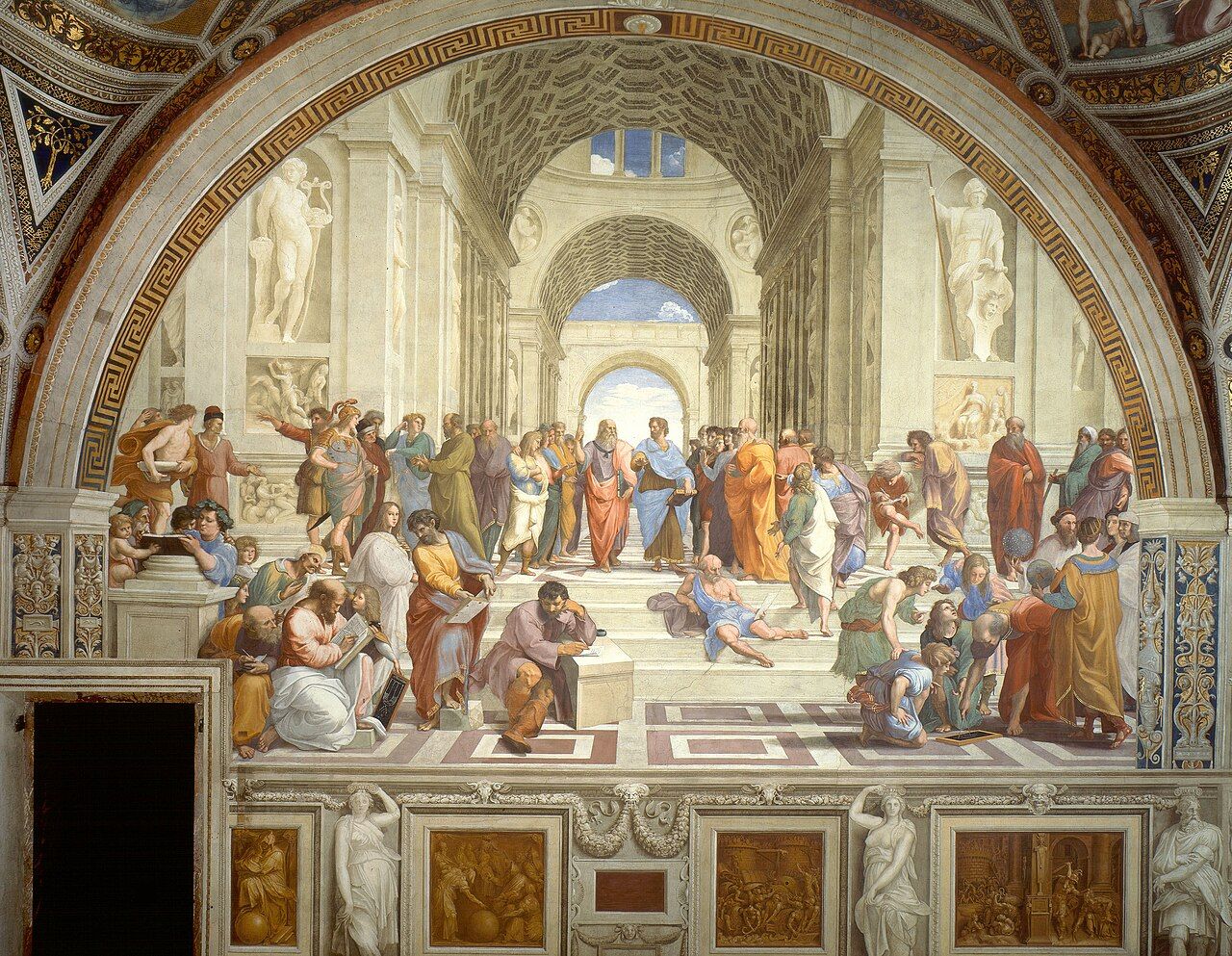
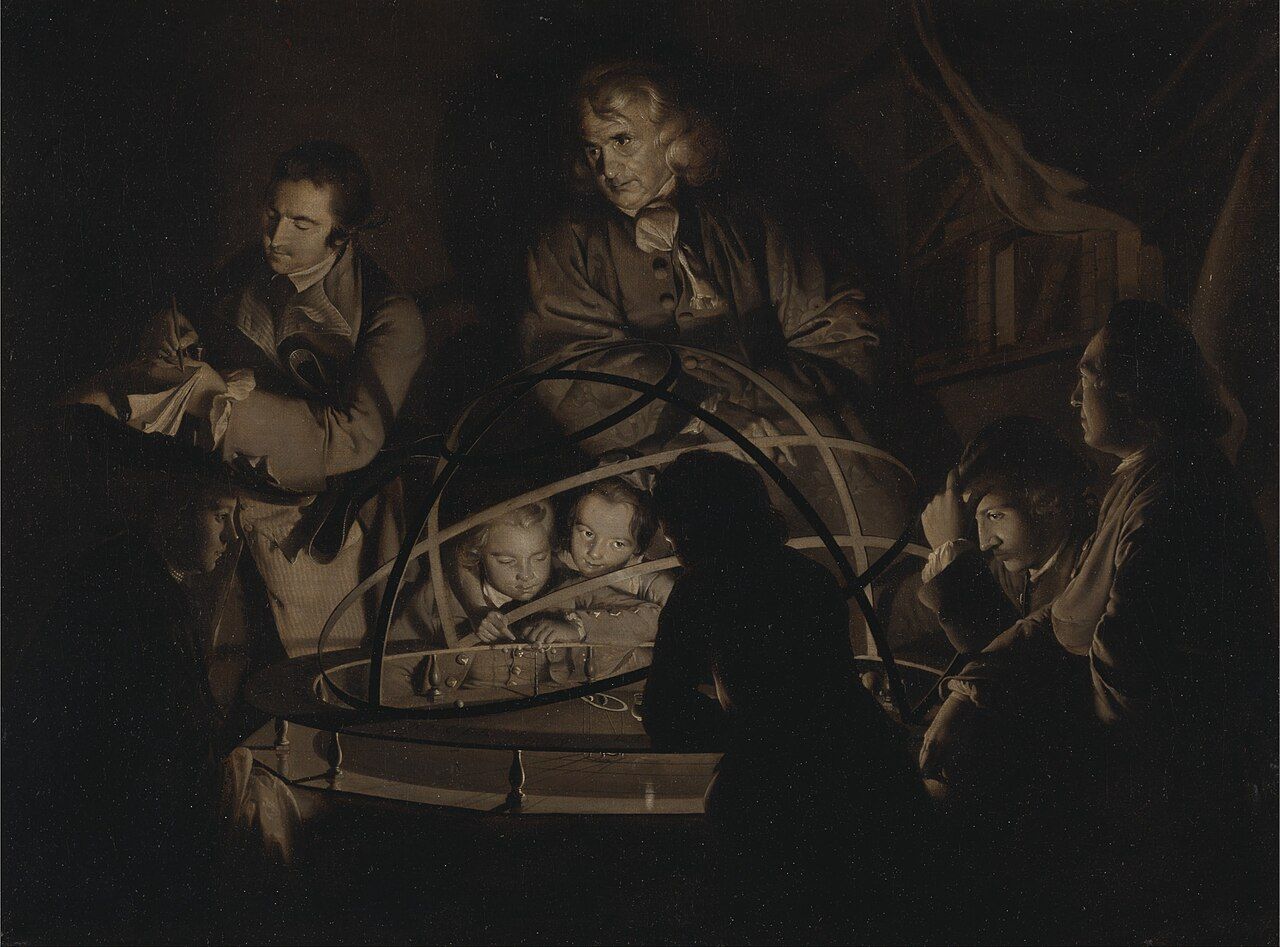
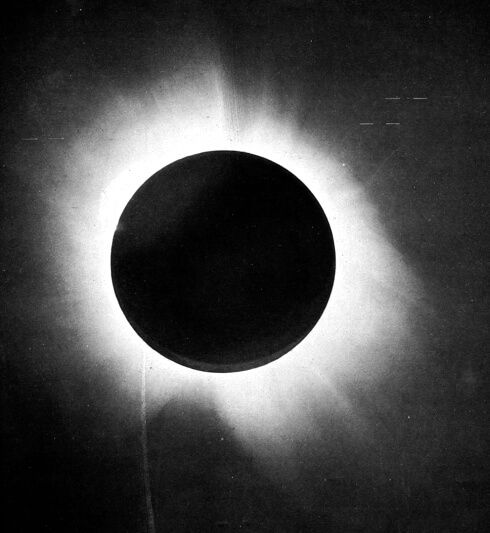
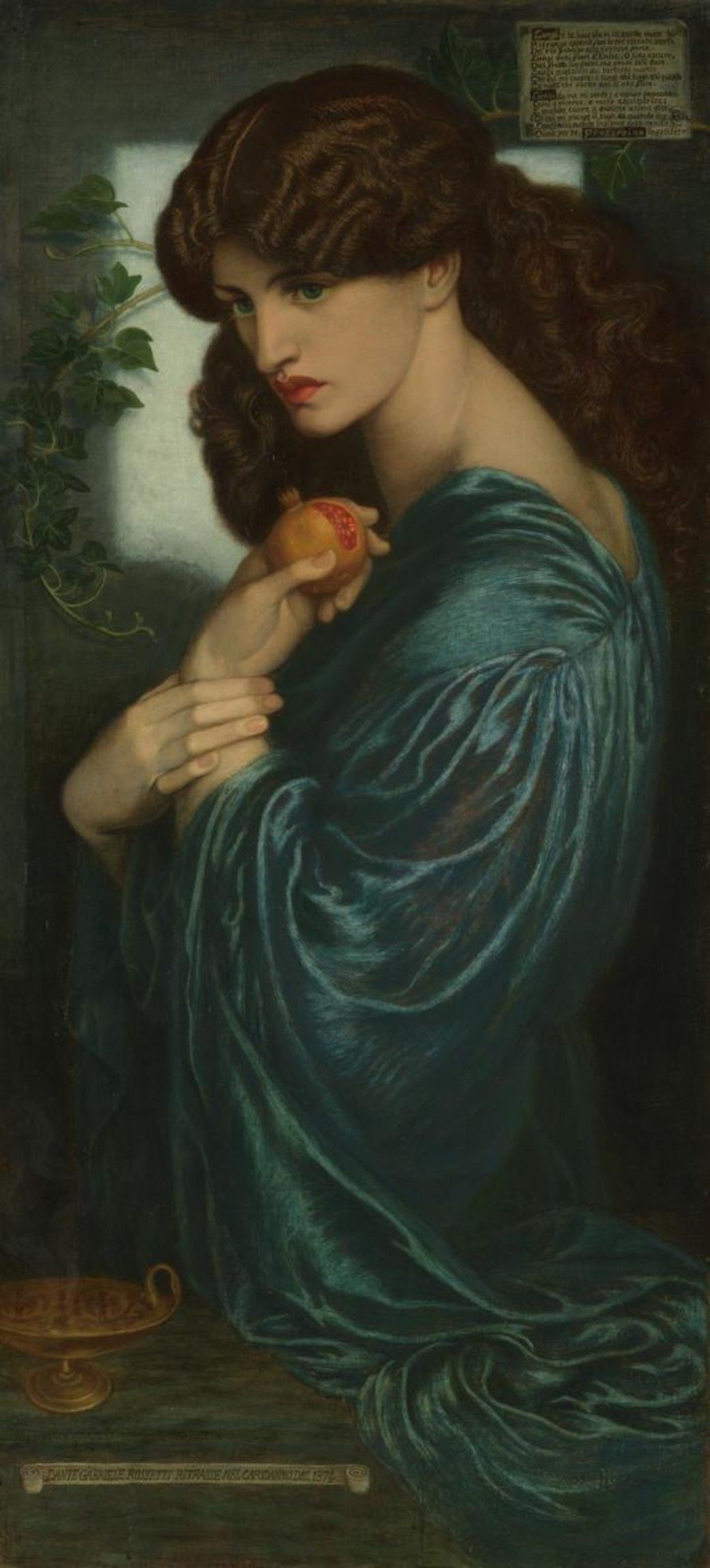
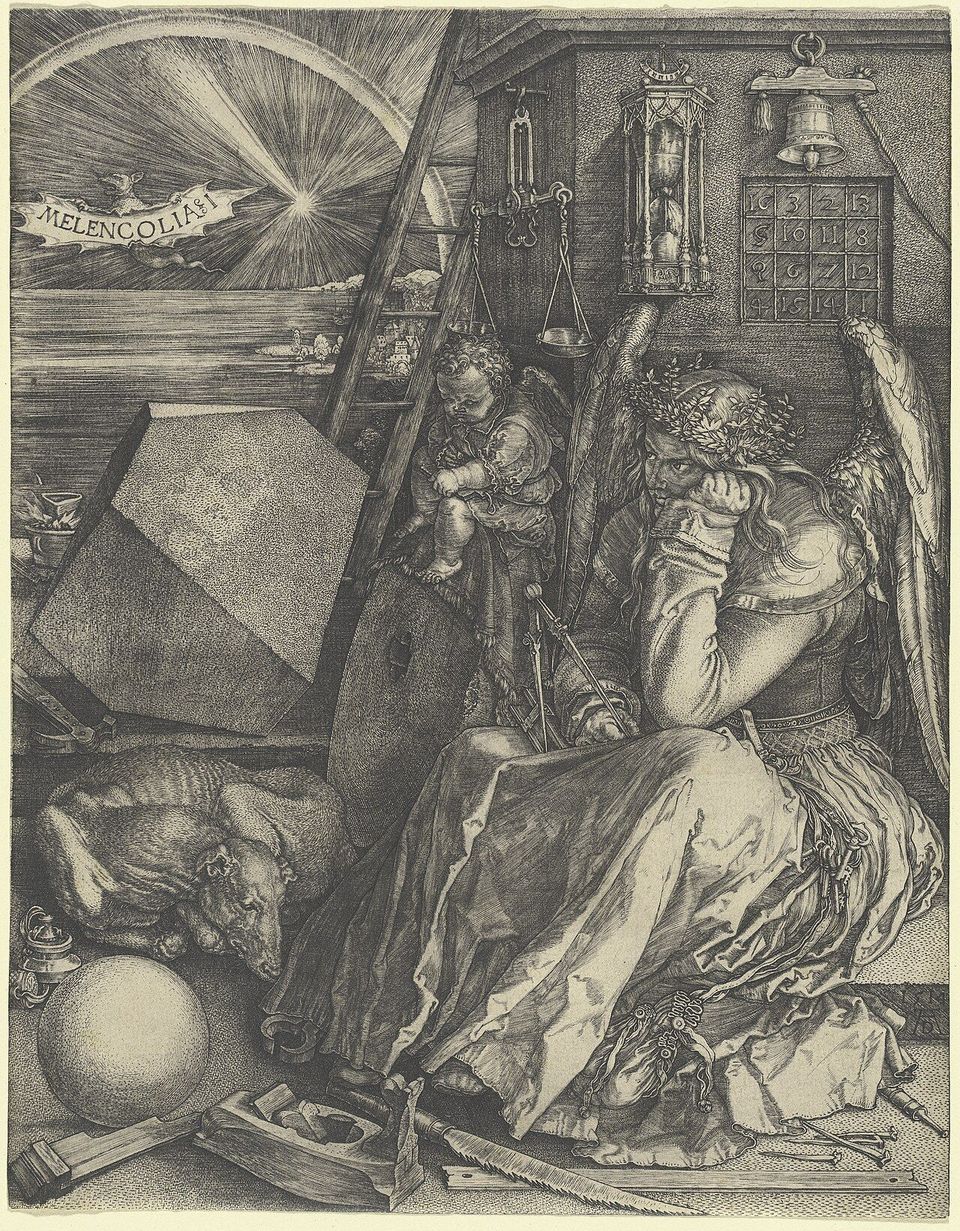
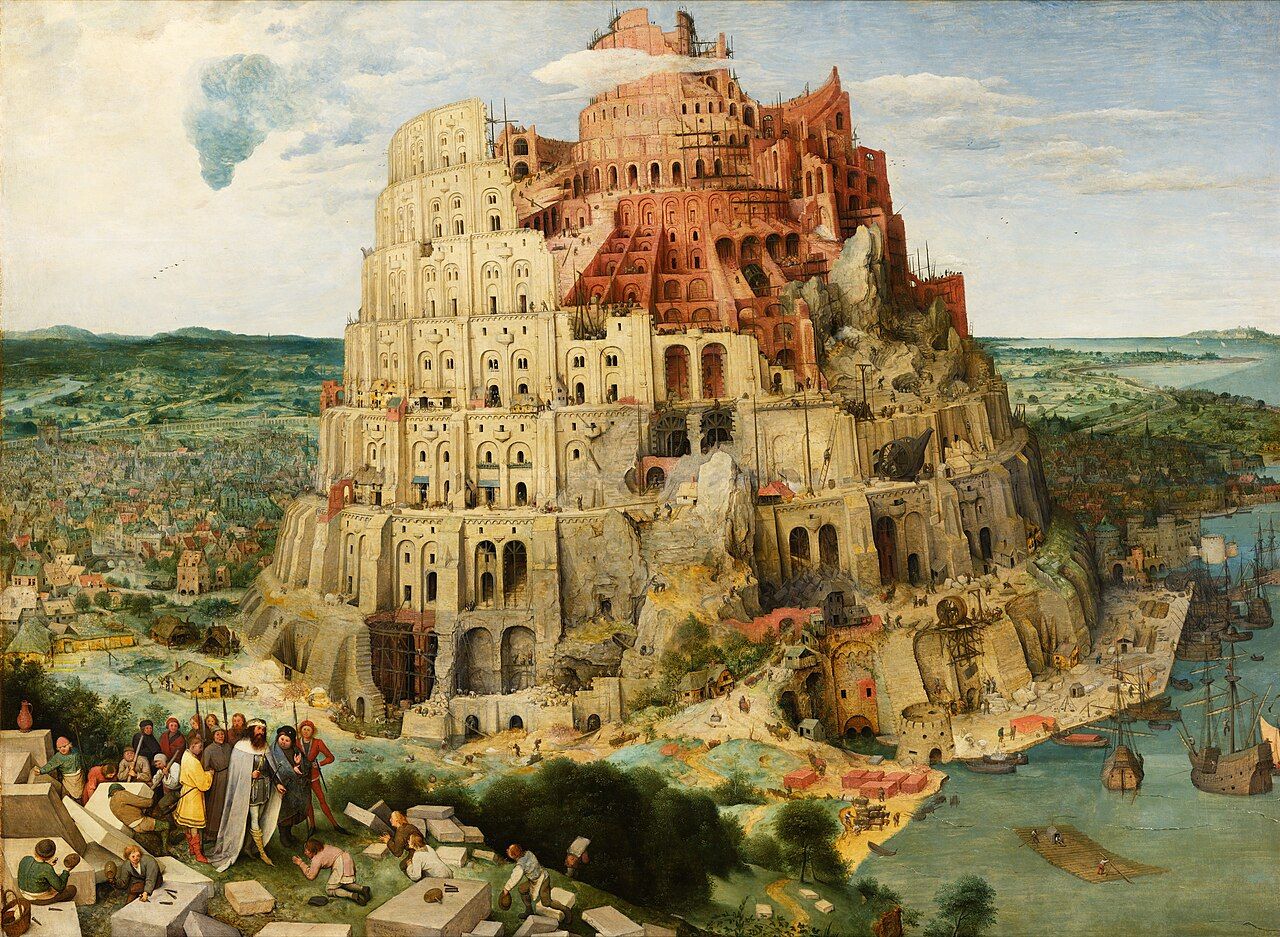
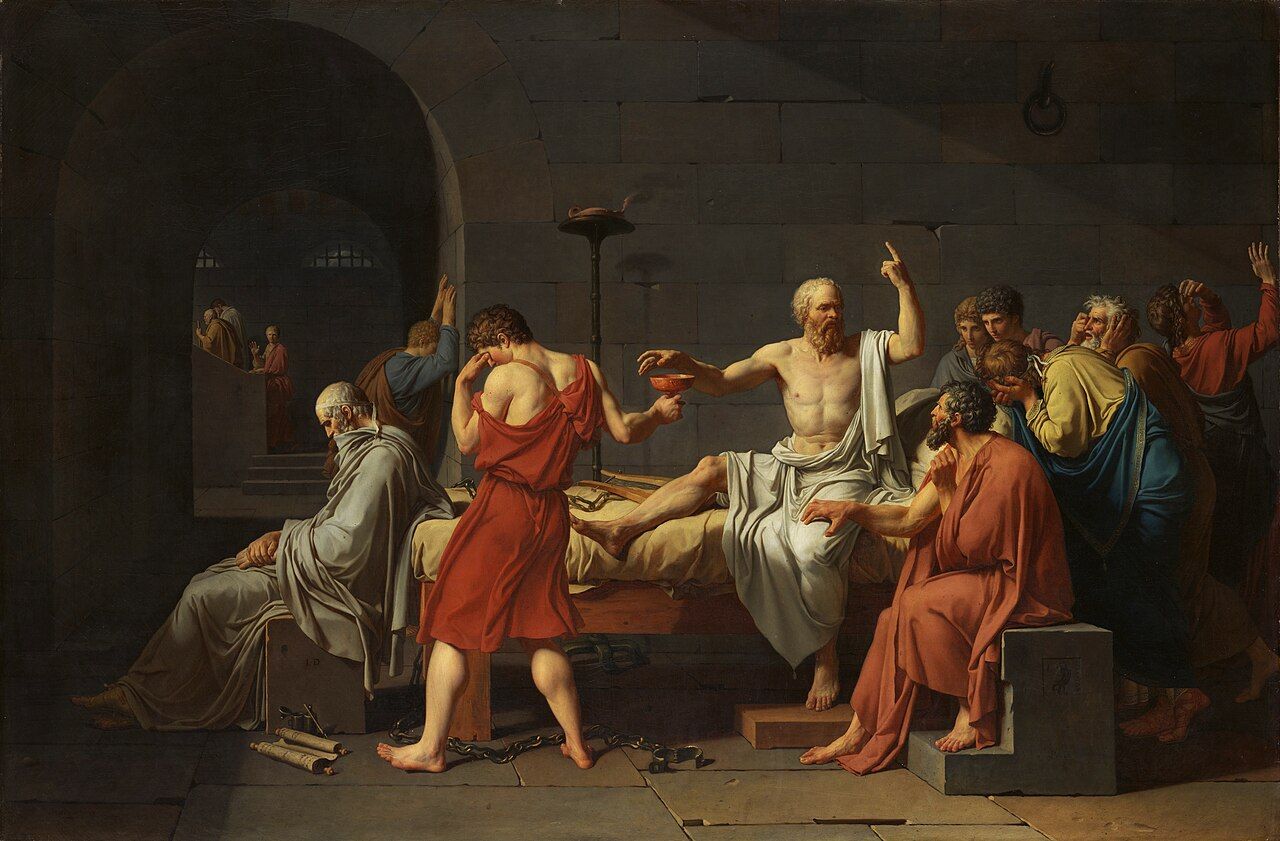
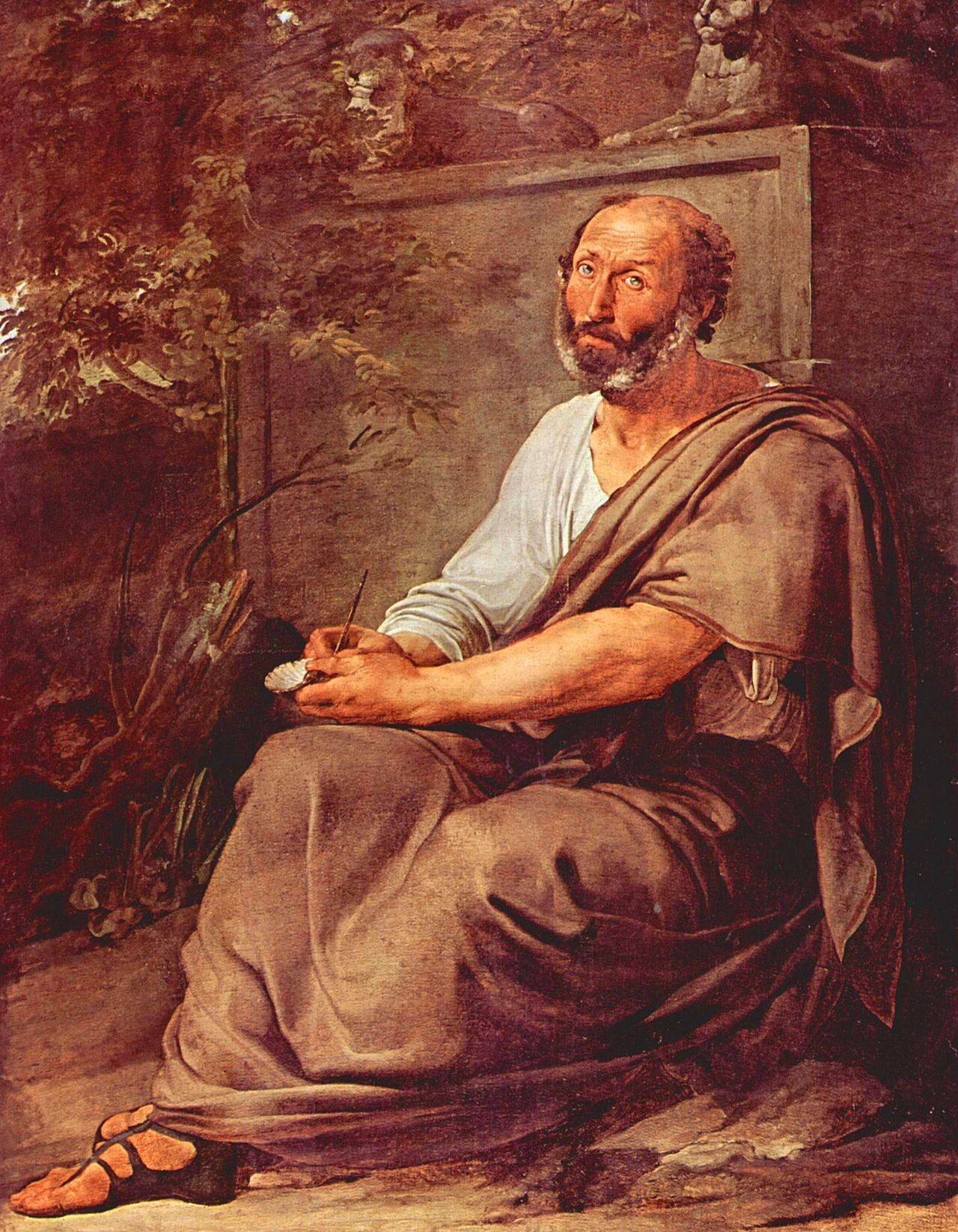
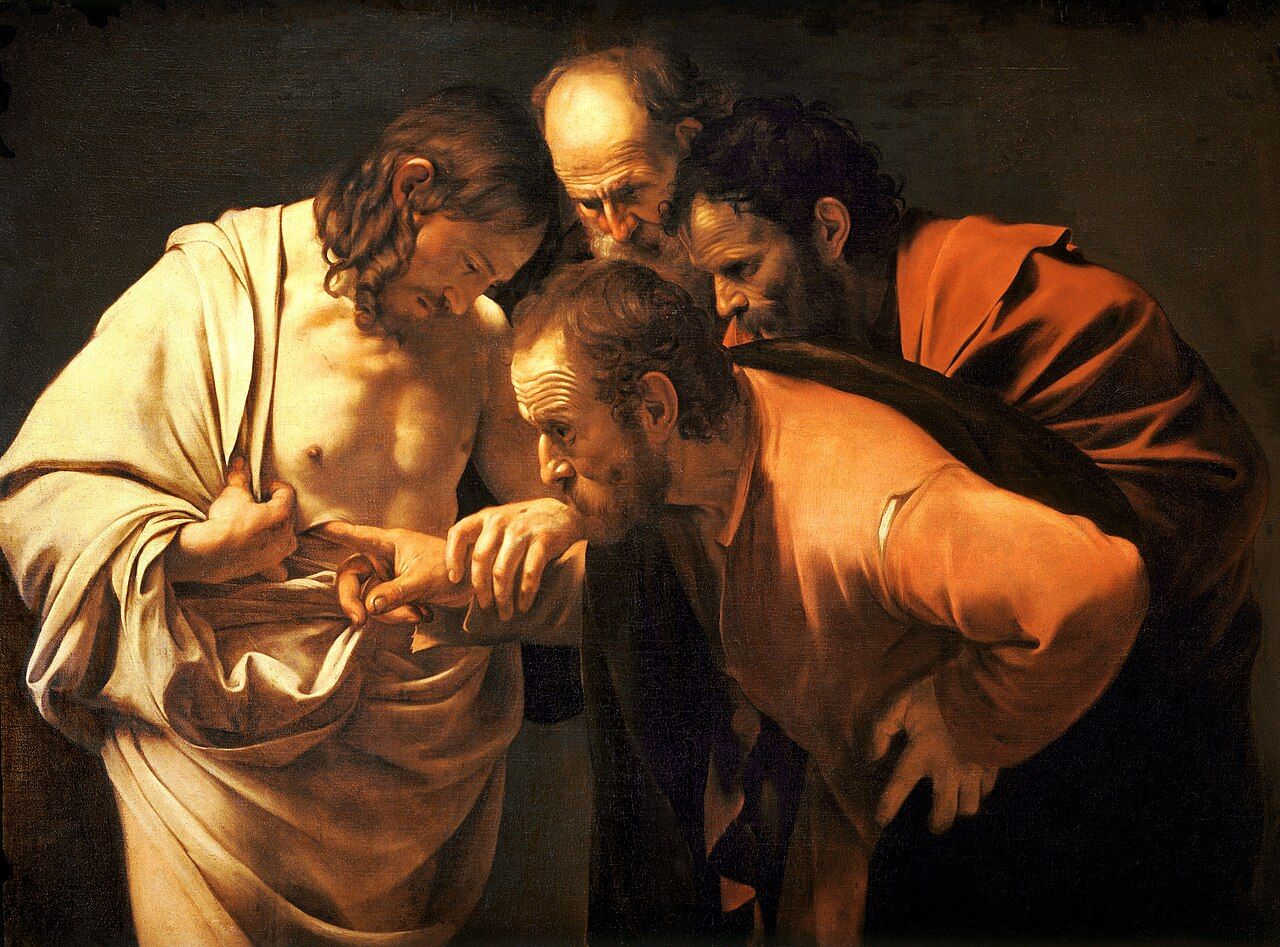
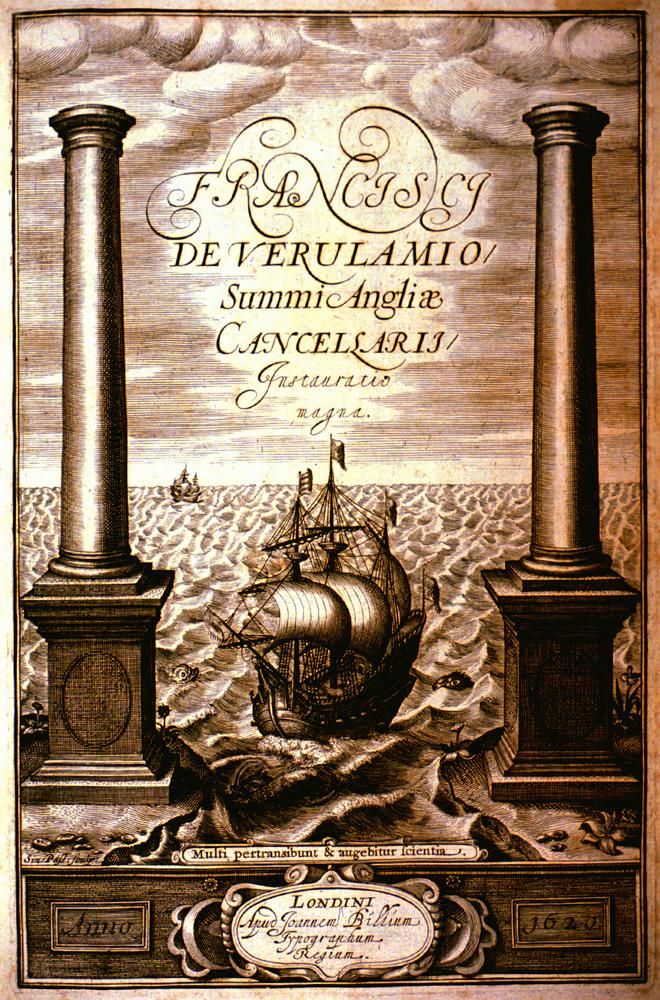
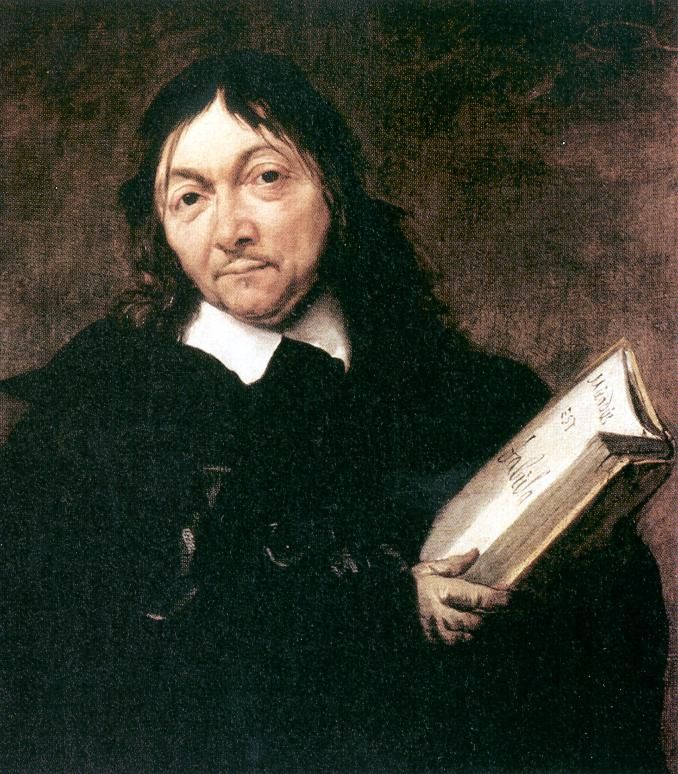
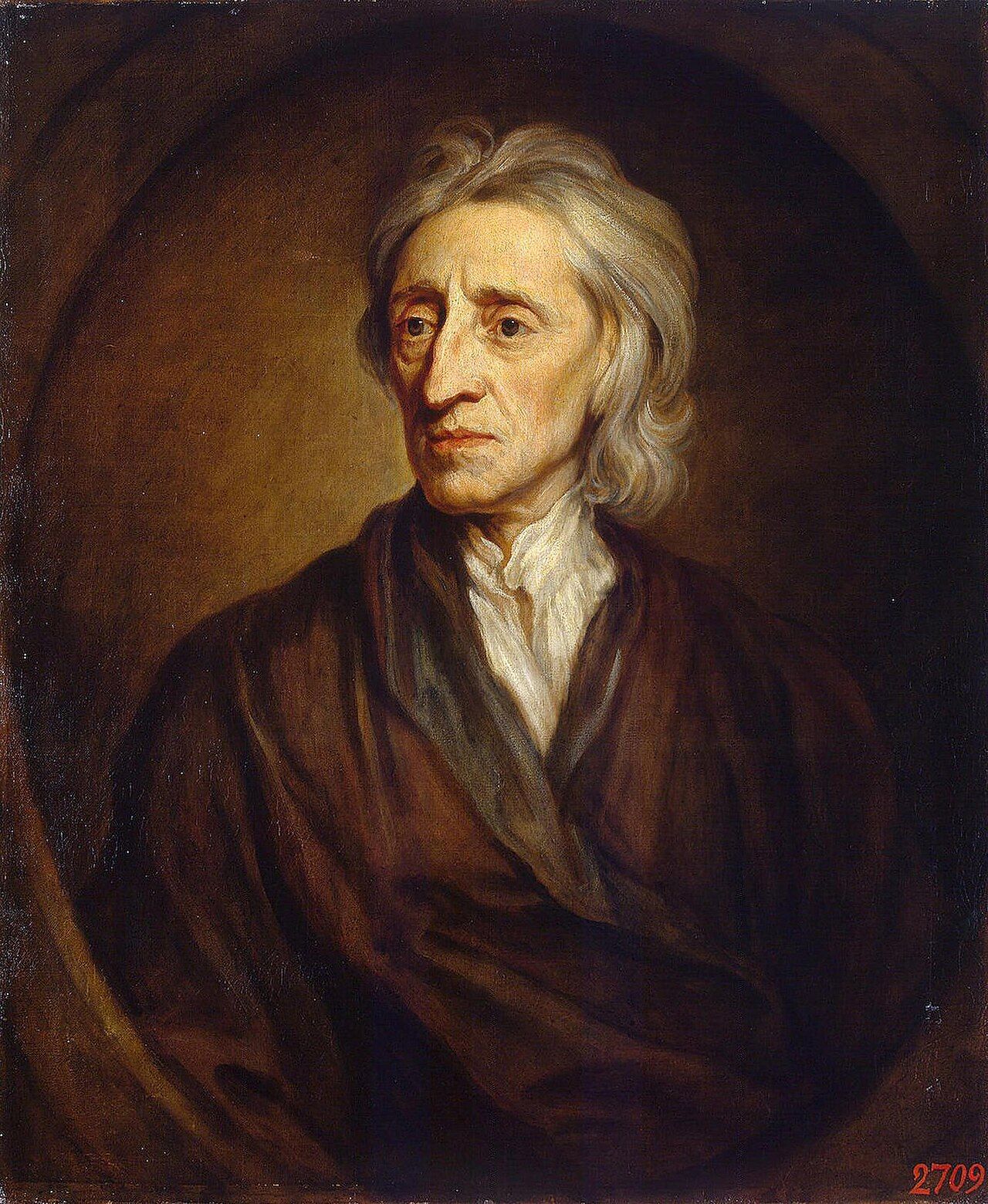
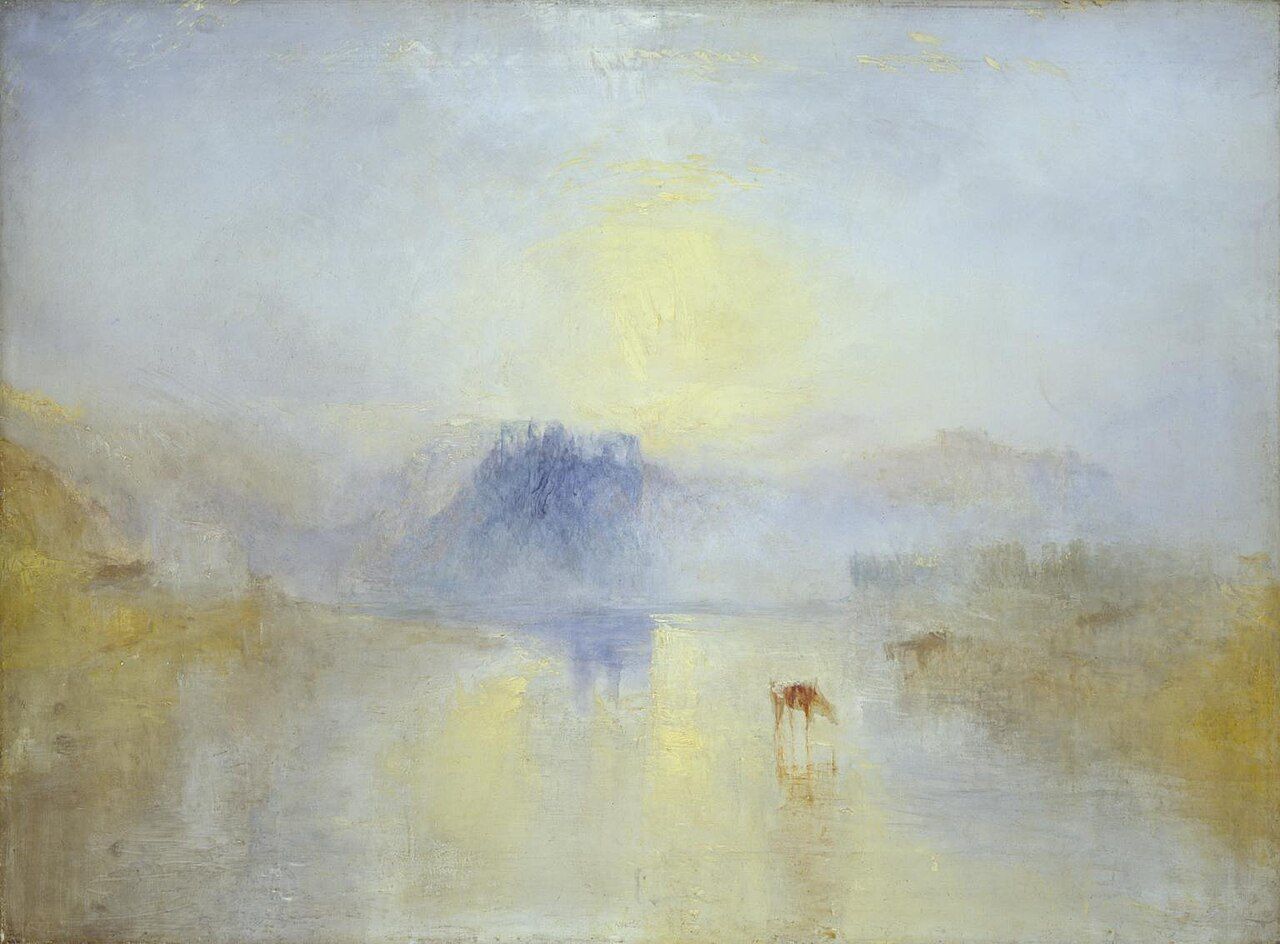
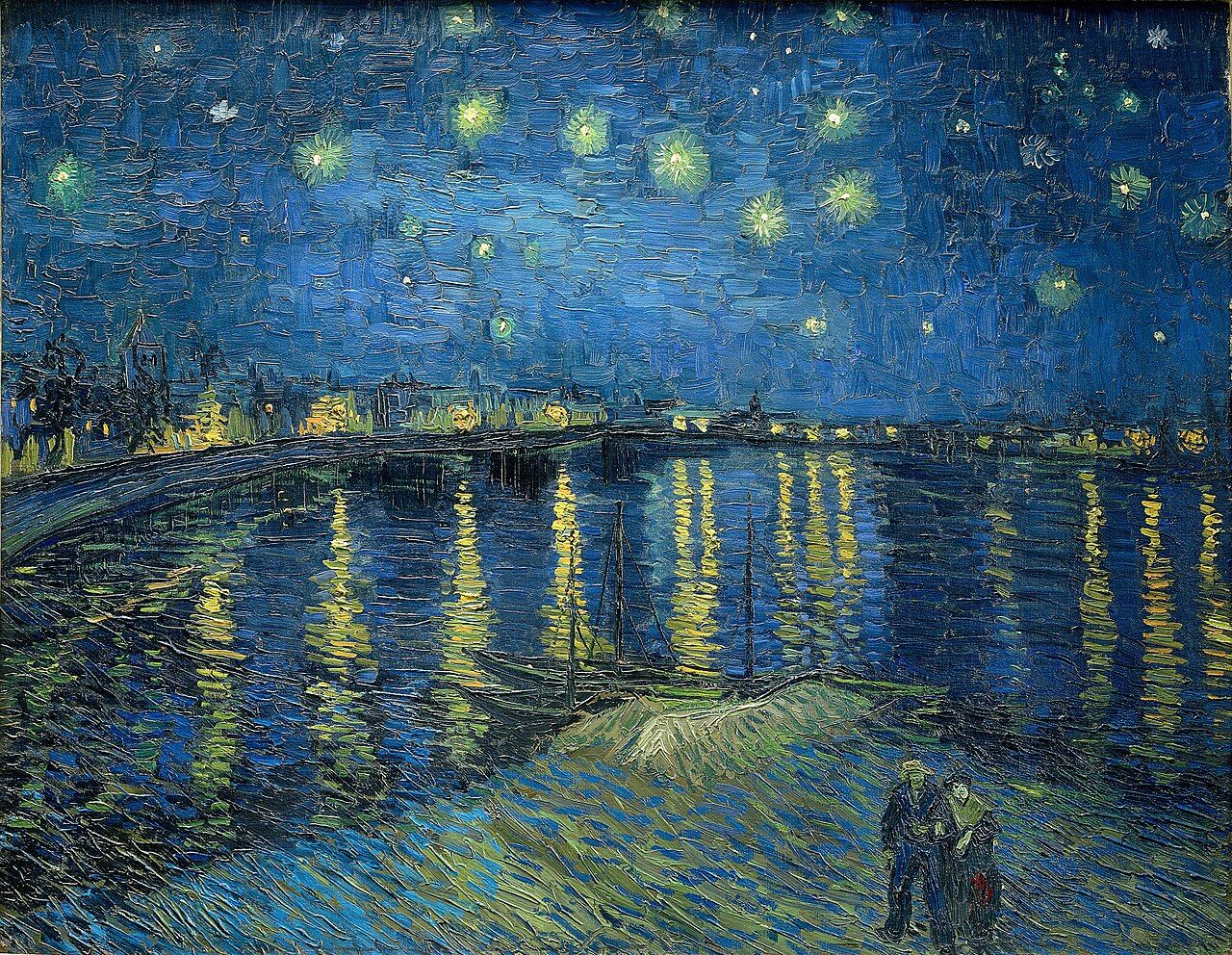
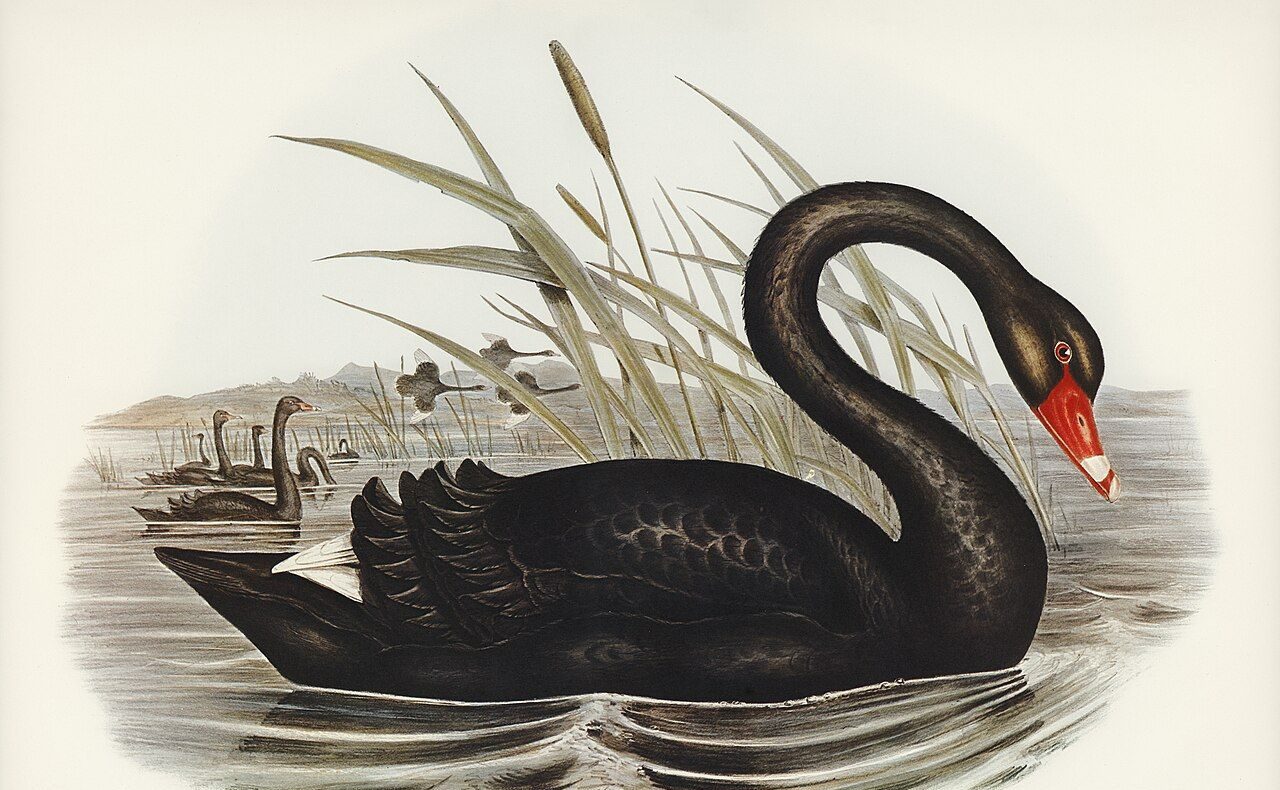
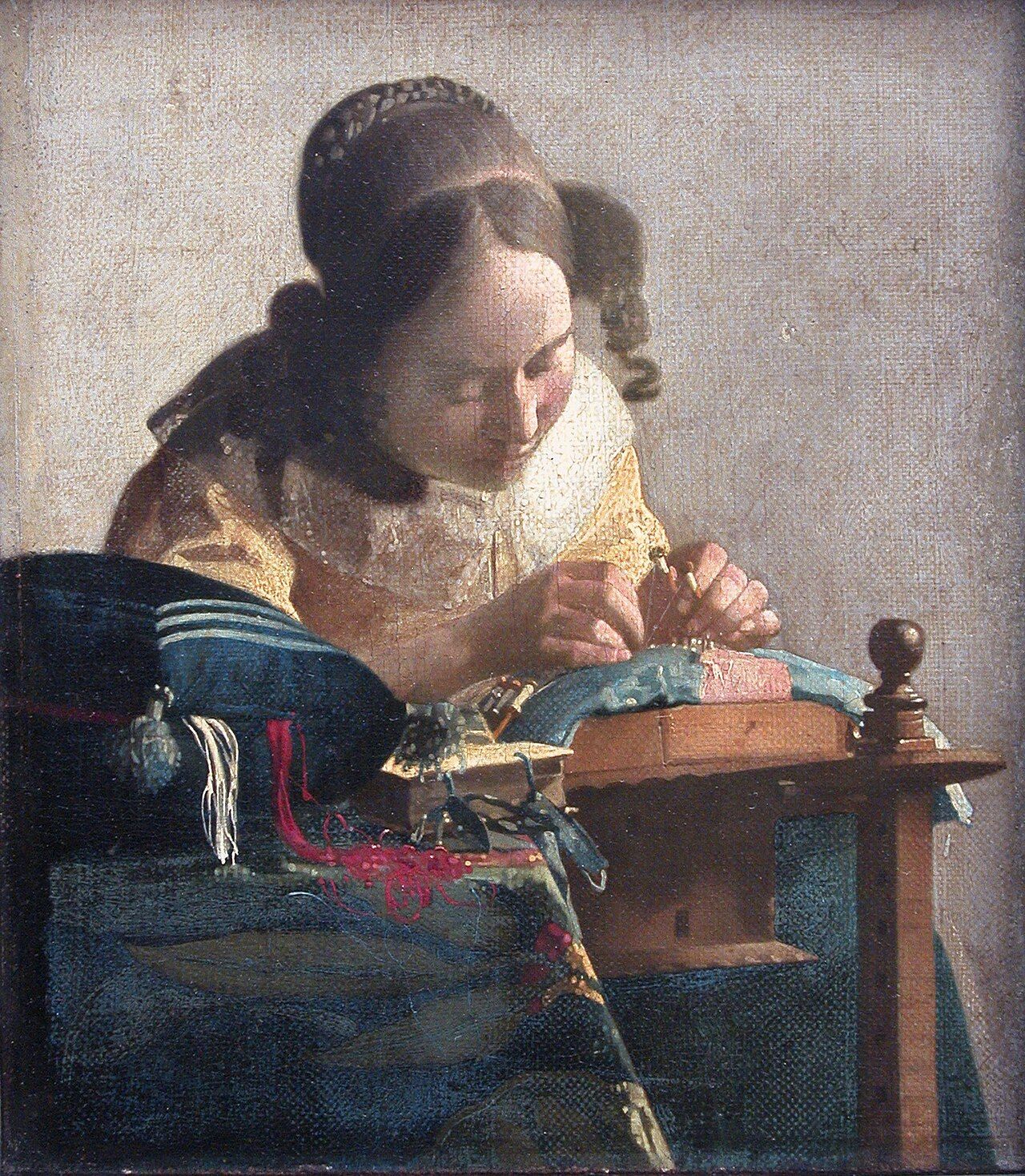
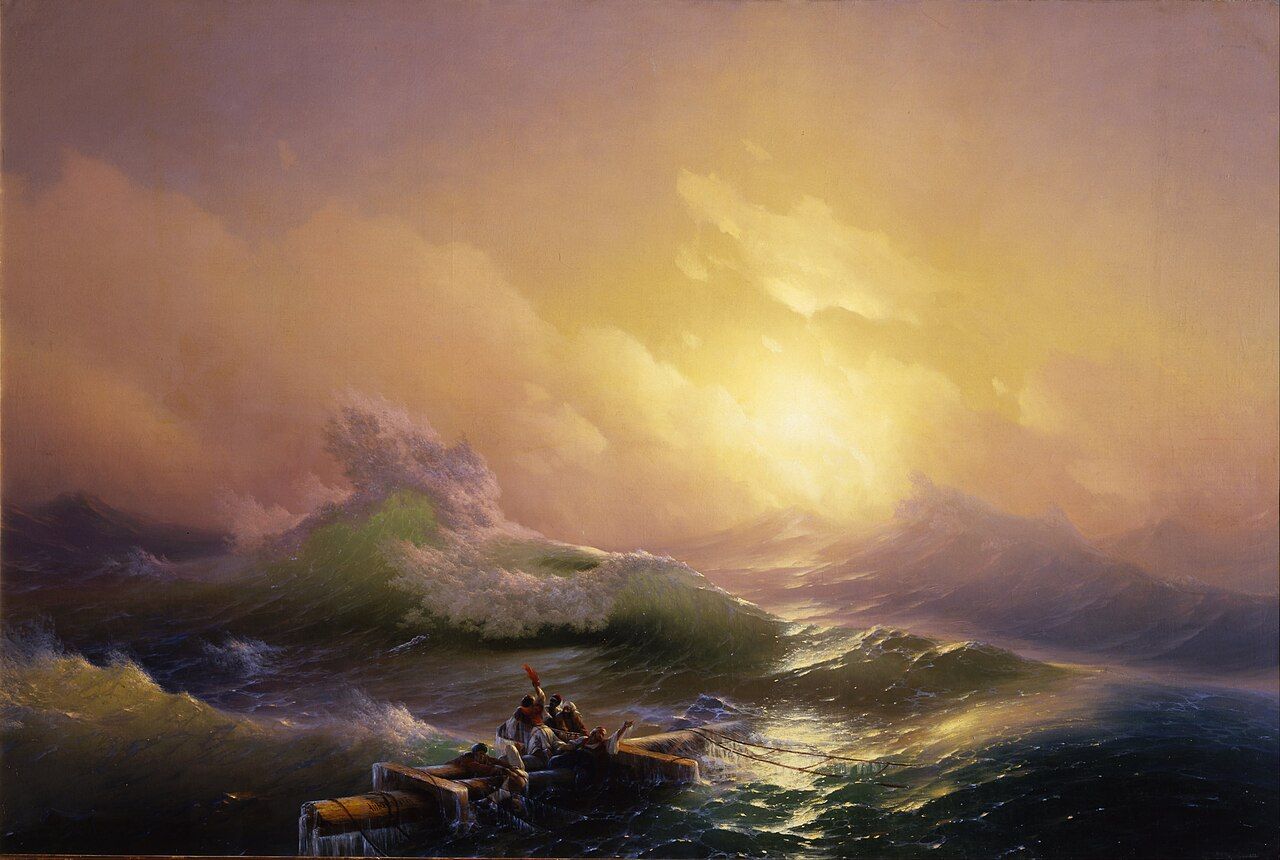
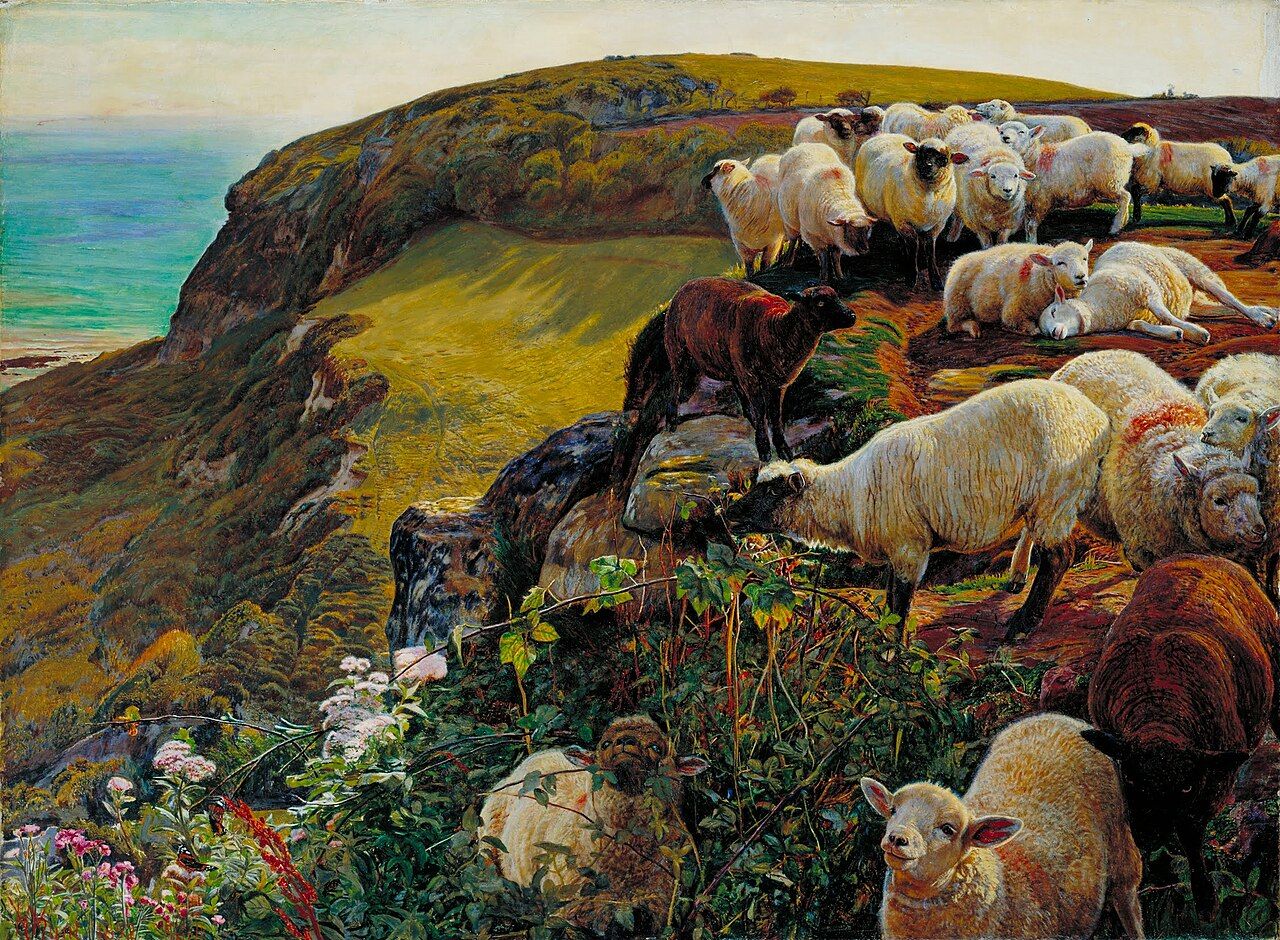
The images are public-domain artworks and photographs from Wikimedia Commons, resized and in one case cropped. One reproduction, of the black swan on the Popper page, is under a Creative Commons licence and is credited there. Three plates also appear on the sister sites: the Orrery, Melencolia I and the Tower of Babel.
| File | Work | Licence | Used on |
|---|---|---|---|
| raphael-school-of-athens.jpg | Raphael, The School of Athens, 1509–11, Apostolic Palace, Vatican | Public domain | Home, Compare |
| wright-orrery.jpg | Joseph Wright of Derby, A Philosopher Lecturing on the Orrery, c. 1766, Derby Museum and Art Gallery | Public domain | Deutsch |
| eddington-eclipse.jpg | Total solar eclipse of 29 May 1919, from F. W. Dyson, A. S. Eddington and C. Davidson's report, 1920 | Public domain | Deutsch |
| rossetti-proserpine.jpg | Dante Gabriel Rossetti, Proserpine, 1874, Tate Britain, London | Public domain | Deutsch |
| durer-melencolia.jpg | Albrecht Dürer, Melencolia I, 1514, National Gallery of Art, Washington | Public domain | Deutsch |
| bruegel-babel.jpg | Pieter Bruegel the Elder, The Tower of Babel, 1563, Kunsthistorisches Museum, Vienna | Public domain | Deutsch |
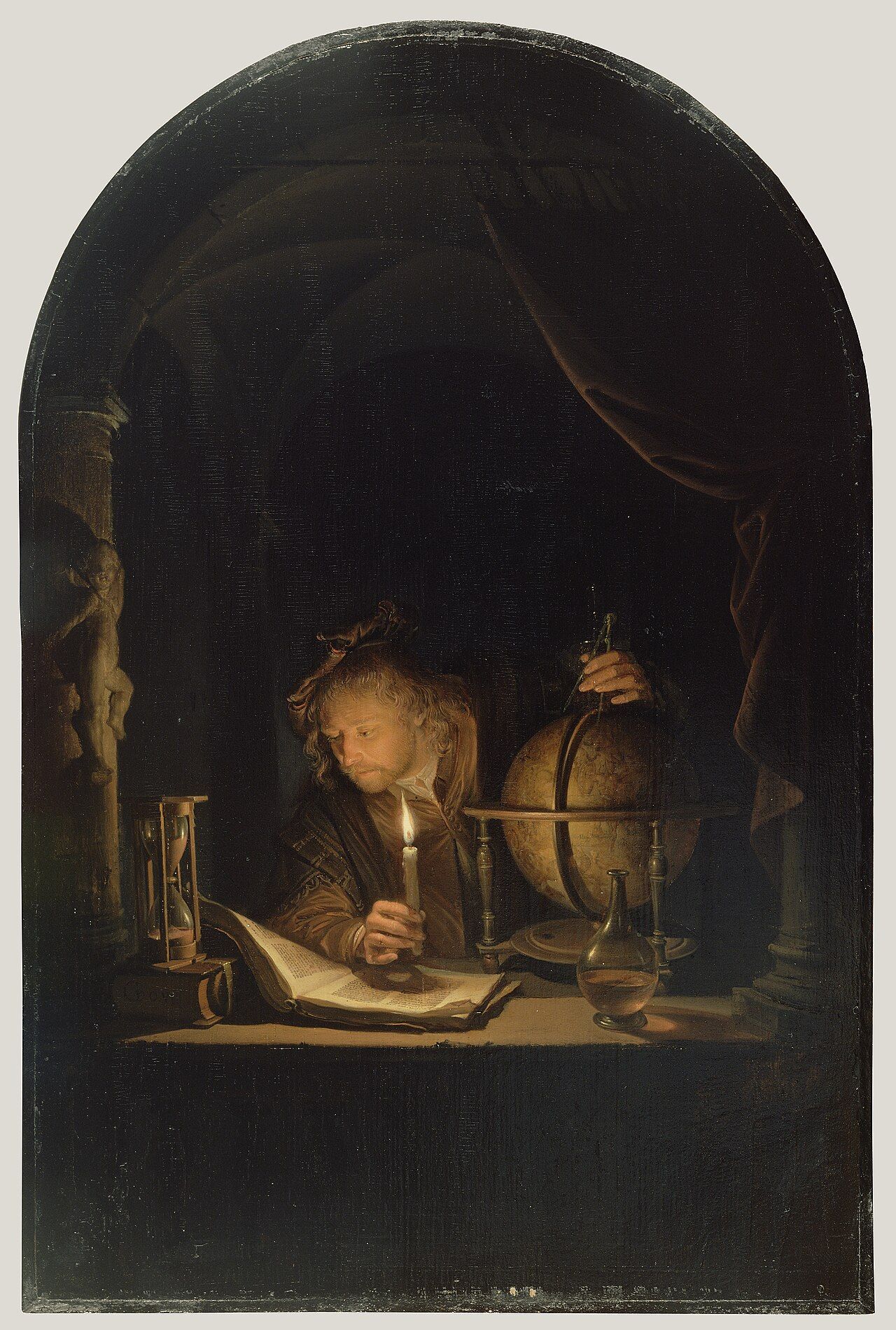
| dou-astronomer.jpg | Gerrit Dou, Astronomer by Candlelight, late 1650s, J. Paul Getty Museum, Los Angeles | Public domain | Thinkers, Reading |
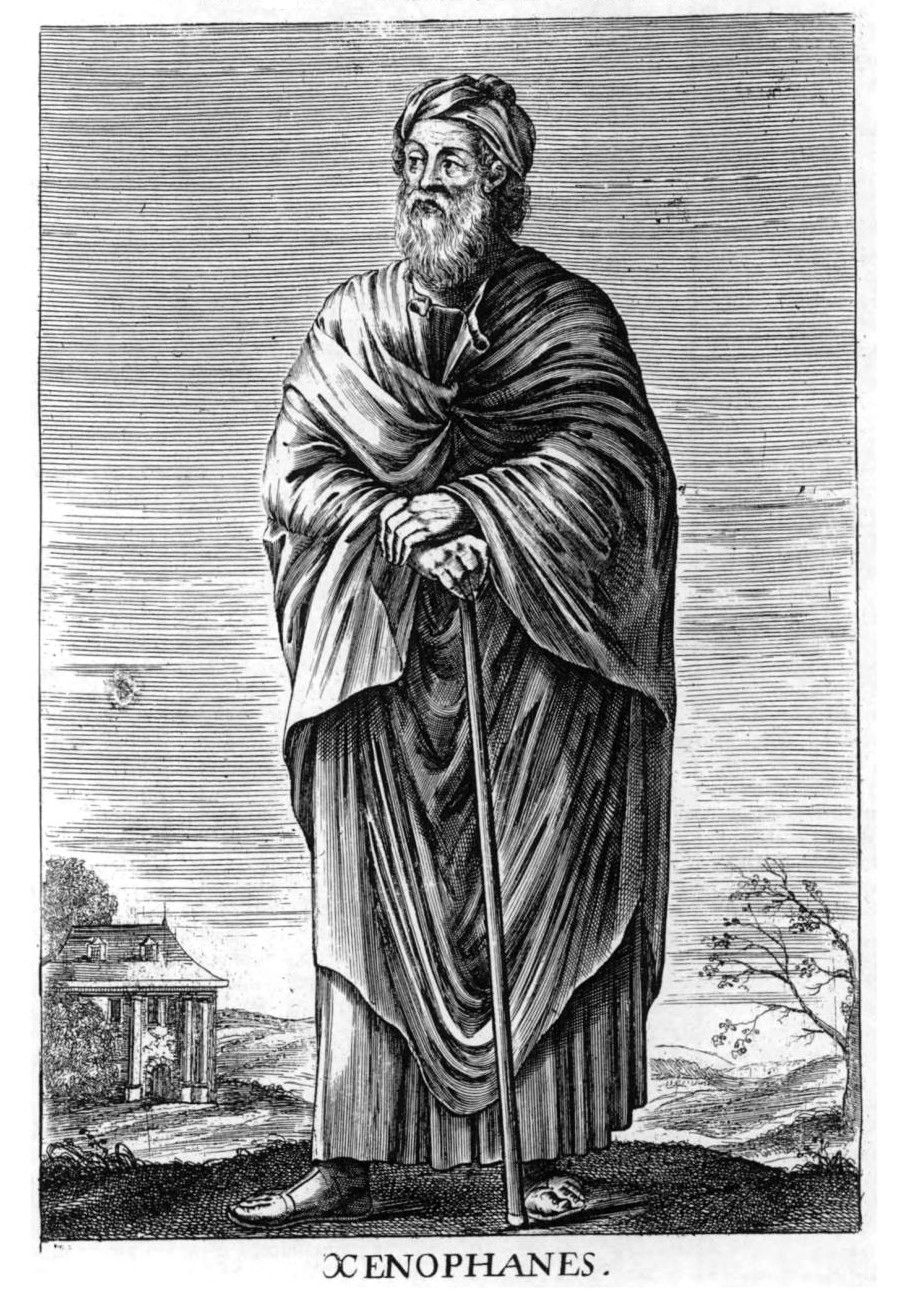
| xenophanes-stanley.jpg | Xenophanes, engraving from Thomas Stanley, The History of Philosophy, 1655 | Public domain | Xenophanes |
| david-socrates.jpg | Jacques-Louis David, The Death of Socrates, 1787, Metropolitan Museum of Art, New York | Public domain | Socrates and Plato |
| hayez-aristotle.jpg | Francesco Hayez, Aristotle, 1811, Gallerie dell'Accademia, Venice | Public domain | Aristotle |
| caravaggio-thomas.jpg | Caravaggio, The Incredulity of Saint Thomas, c. 1601–02, Sanssouci Picture Gallery, Potsdam | Public domain | Sextus Empiricus |
| bacon-instauratio.jpg | Simon van de Passe, title page of Francis Bacon, Instauratio Magna, 1620 | Public domain | Bacon |
| weenix-descartes.jpg | Jan Baptist Weenix, René Descartes, c. 1647–49, Centraal Museum, Utrecht | Public domain | Descartes |
| kneller-locke.jpg | Godfrey Kneller, John Locke, 1697, Hermitage Museum, St Petersburg | Public domain | Locke |
| turner-norham.jpg | J. M. W. Turner, Norham Castle, Sunrise, c. 1845, Tate Britain, London | Public domain | Hume |
| vangogh-rhone.jpg | Vincent van Gogh, Starry Night Over the Rhône, 1888, Musée d'Orsay, Paris | Public domain | Kant |
| gould-black-swan.jpg | Elizabeth Gould, Black Swan, from John Gould, The Birds of Australia, 1840–48; cropped, Reproduction by Rawpixel | CC BY-SA 4.0 (reproduction); the lithograph is public domain | Popper |
| vermeer-lacemaker.jpg | Johannes Vermeer, The Lacemaker, c. 1669–70, Musée du Louvre, Paris | Public domain | Polanyi |
| aivazovsky-ninth-wave.jpg | Ivan Aivazovsky, The Ninth Wave, 1850, Russian Museum, St Petersburg | Public domain | Quine |
| hunt-strayed-sheep.jpg | William Holman Hunt, Our English Coasts, 1852 ("Strayed Sheep"), 1852, Tate Britain, London | Public domain | Gettier |
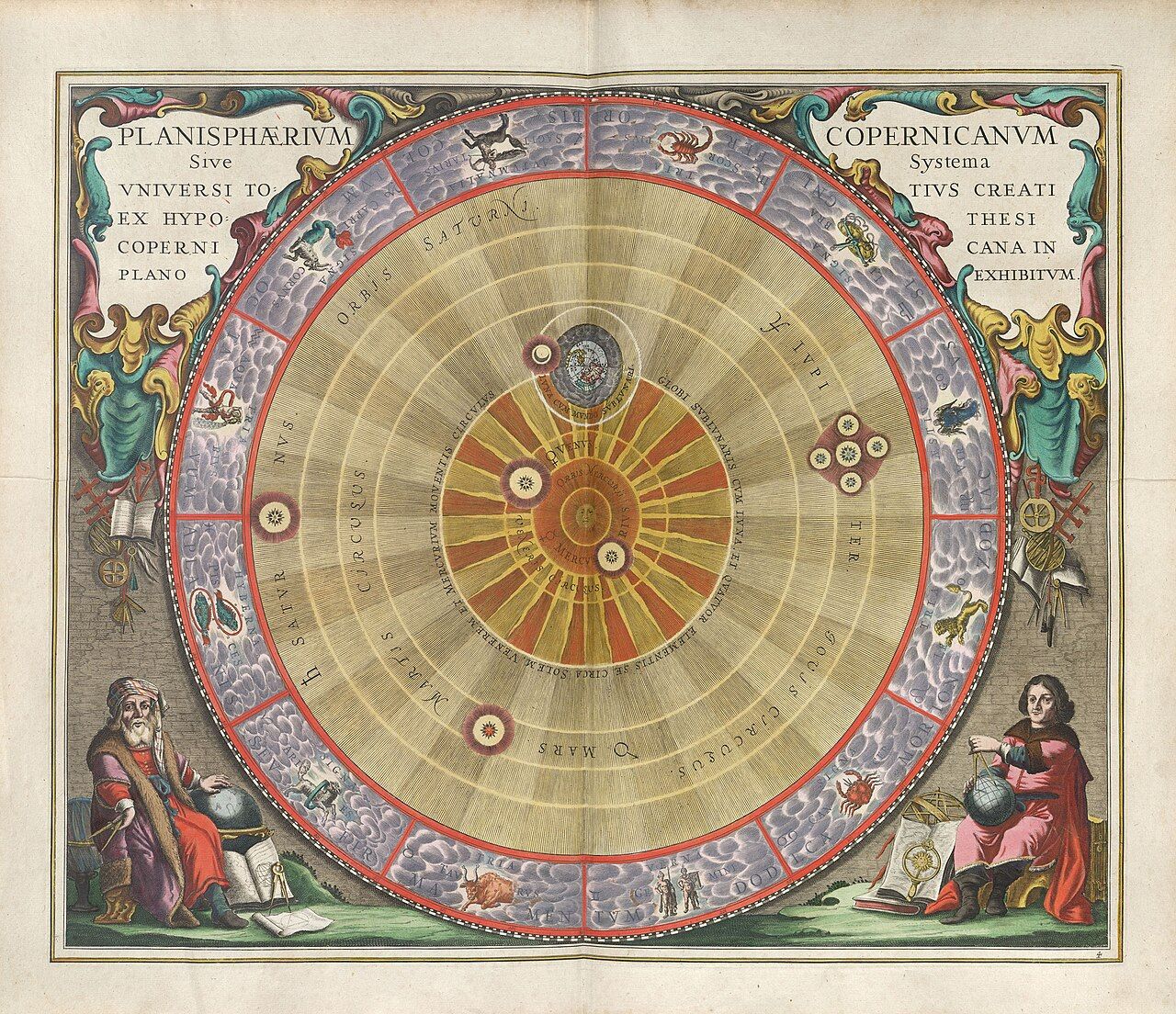
| cellarius-copernicus.jpg | Andreas Cellarius, the Copernican system, from Harmonia Macrocosmica, 1660 | Public domain | Kuhn |
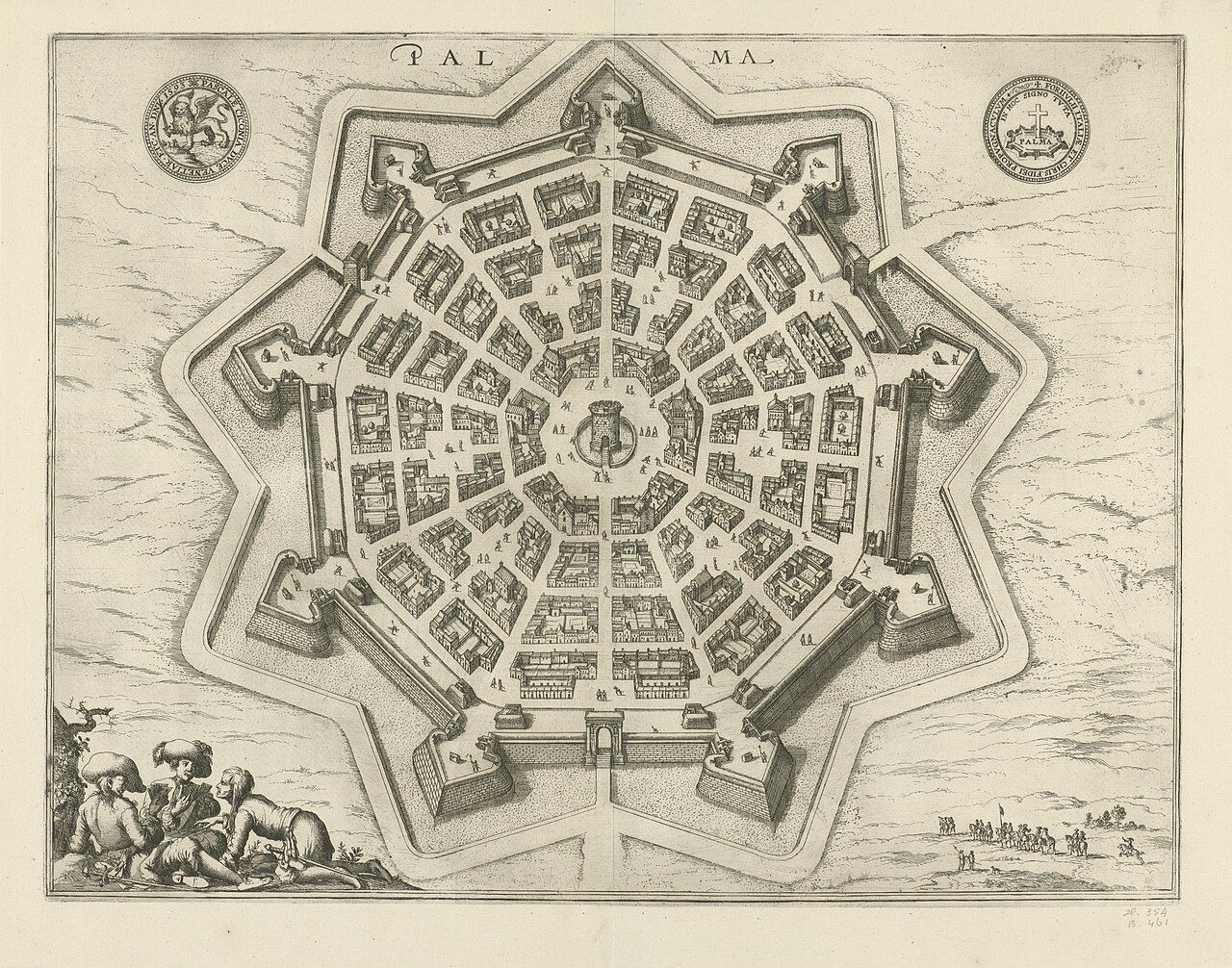
| palmanova.jpg | Plan of Palmanova, engraving, Rijksmuseum, Amsterdam (RP-P-OB-44.175) | Public domain (CC0) | Lakatos |
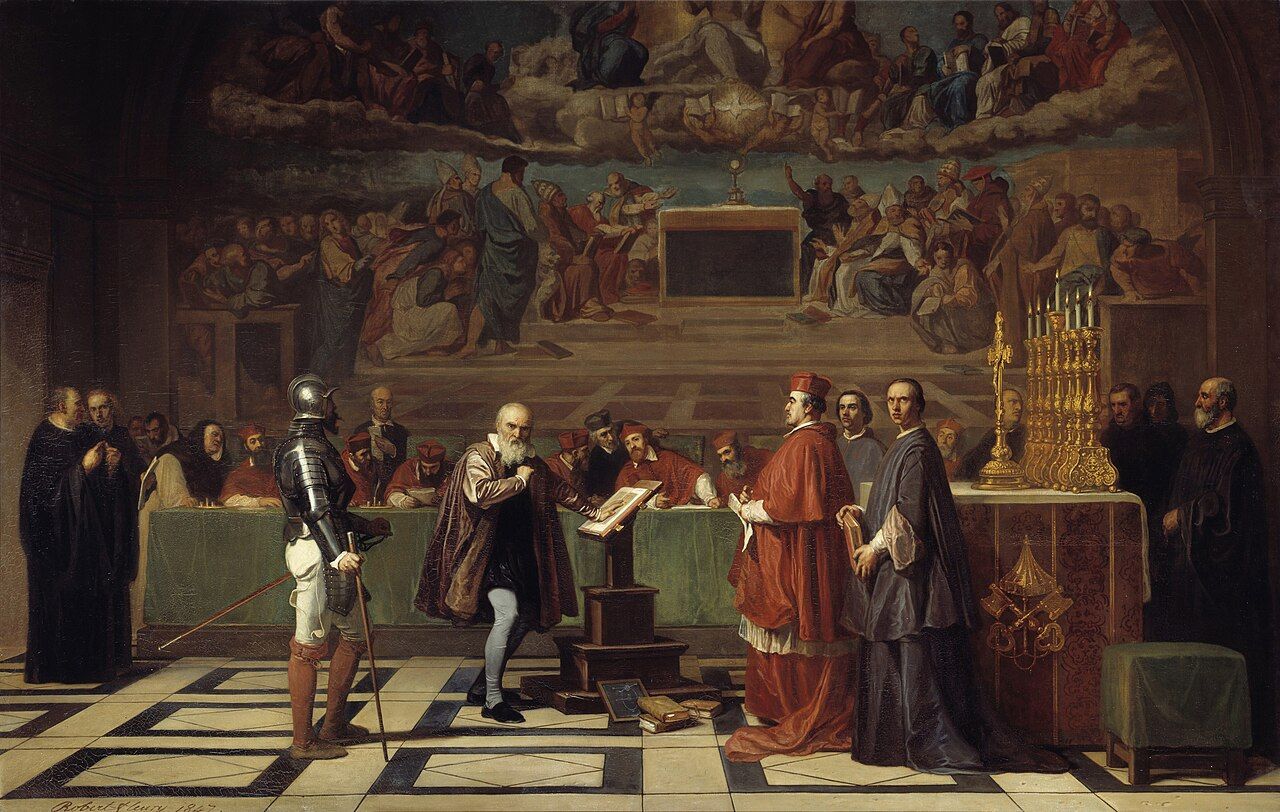
| fleury-galileo.jpg | Joseph-Nicolas Robert-Fleury, Galileo before the Holy Office, 1847, Musée du Louvre, Paris | Public domain | Feyerabend |
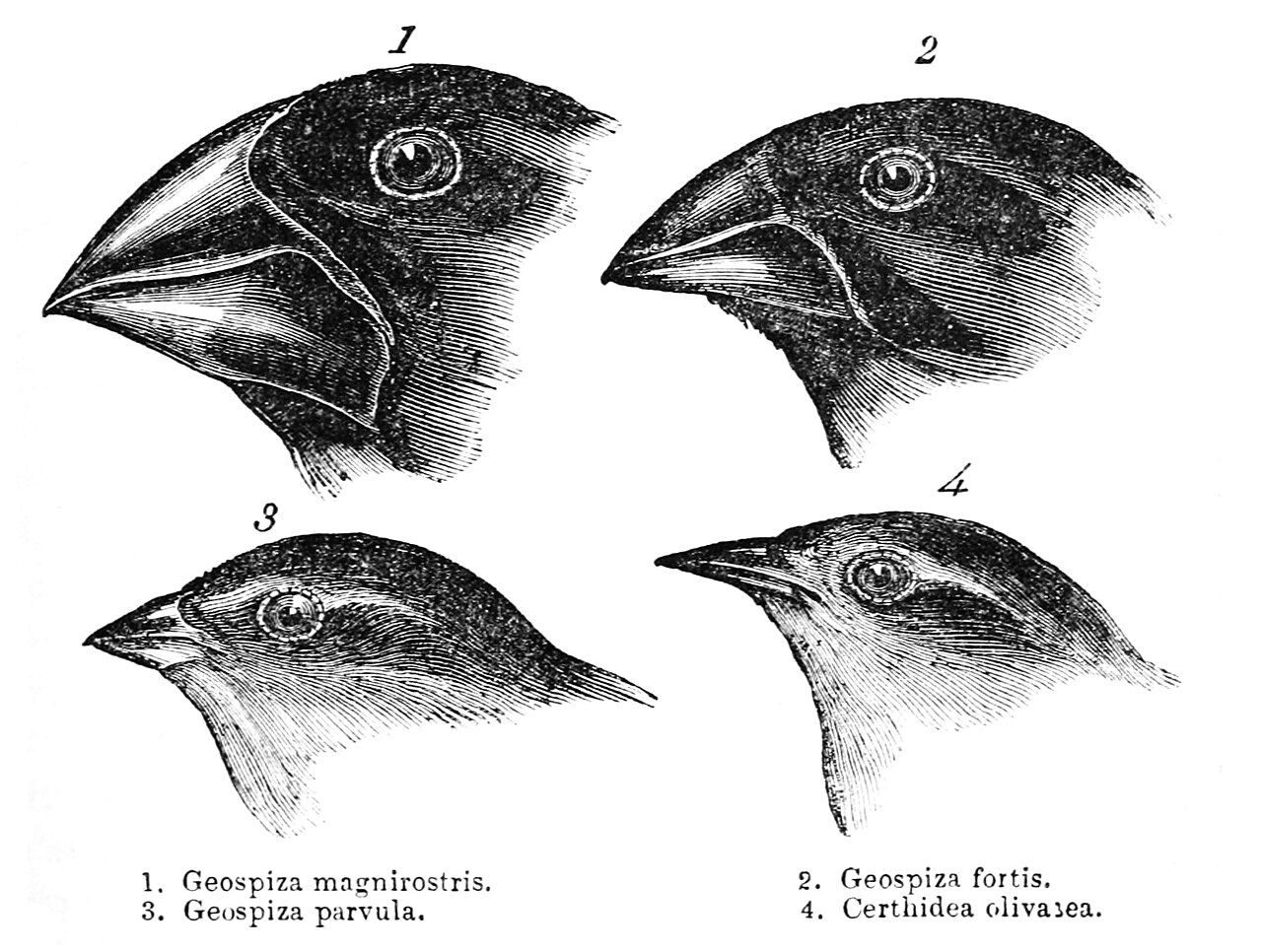
| darwin-finches.jpg | John Gould, Galápagos finches, from Charles Darwin, Journal of Researches, 2nd edn, 1845 | Public domain | Campbell |
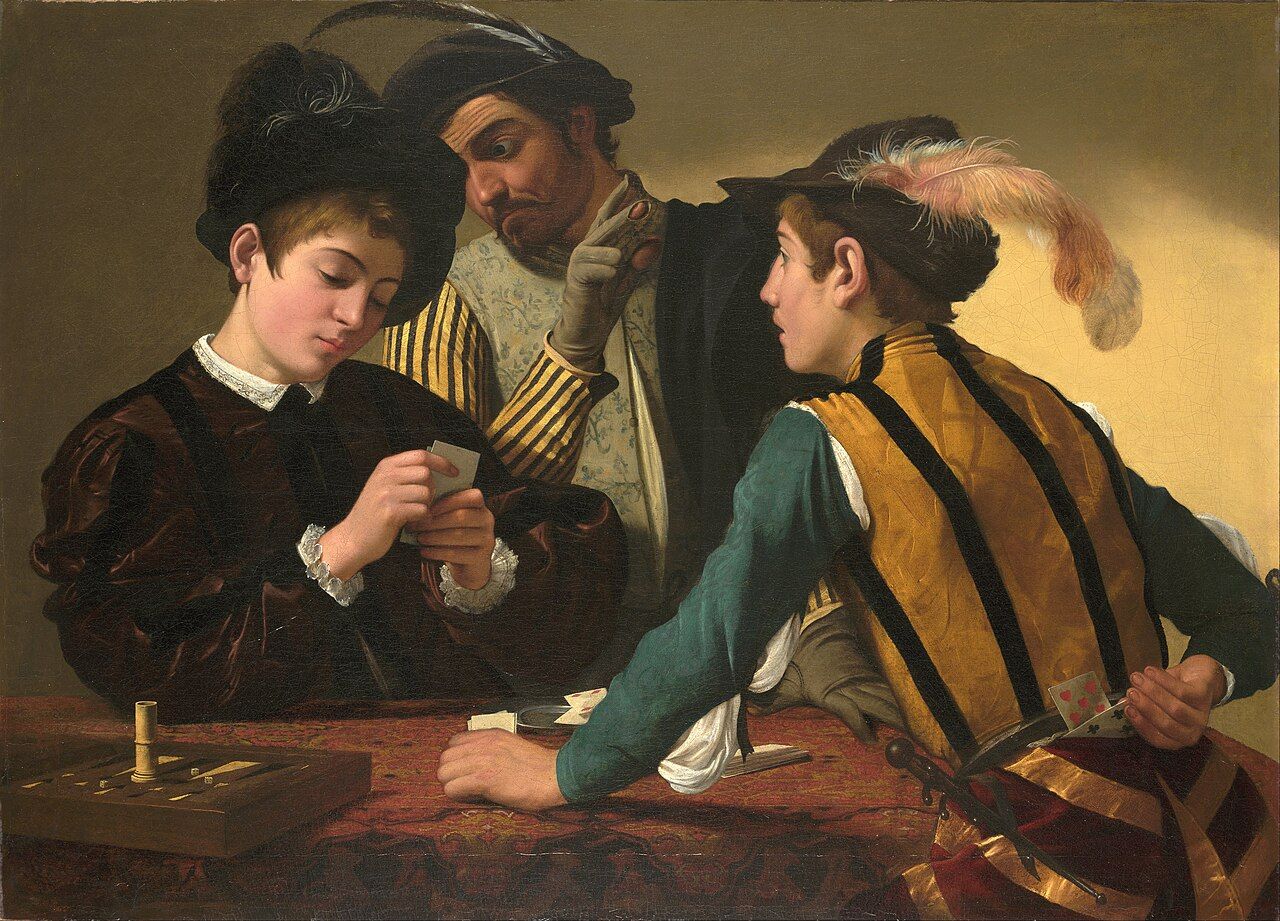
| caravaggio-cardsharps.jpg | Caravaggio, The Cardsharps, c. 1594, Kimbell Art Museum, Fort Worth | Public domain | The Bayesians |
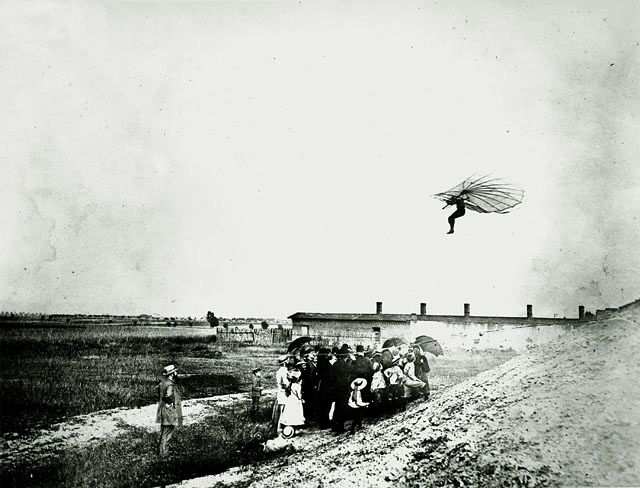
| lilienthal-glider.jpg | Otto Lilienthal in flight in his 1894 glider, photograph, 1894, Smithsonian Institution (SI Neg. 2002-15561) | Public domain | Brett Hall |
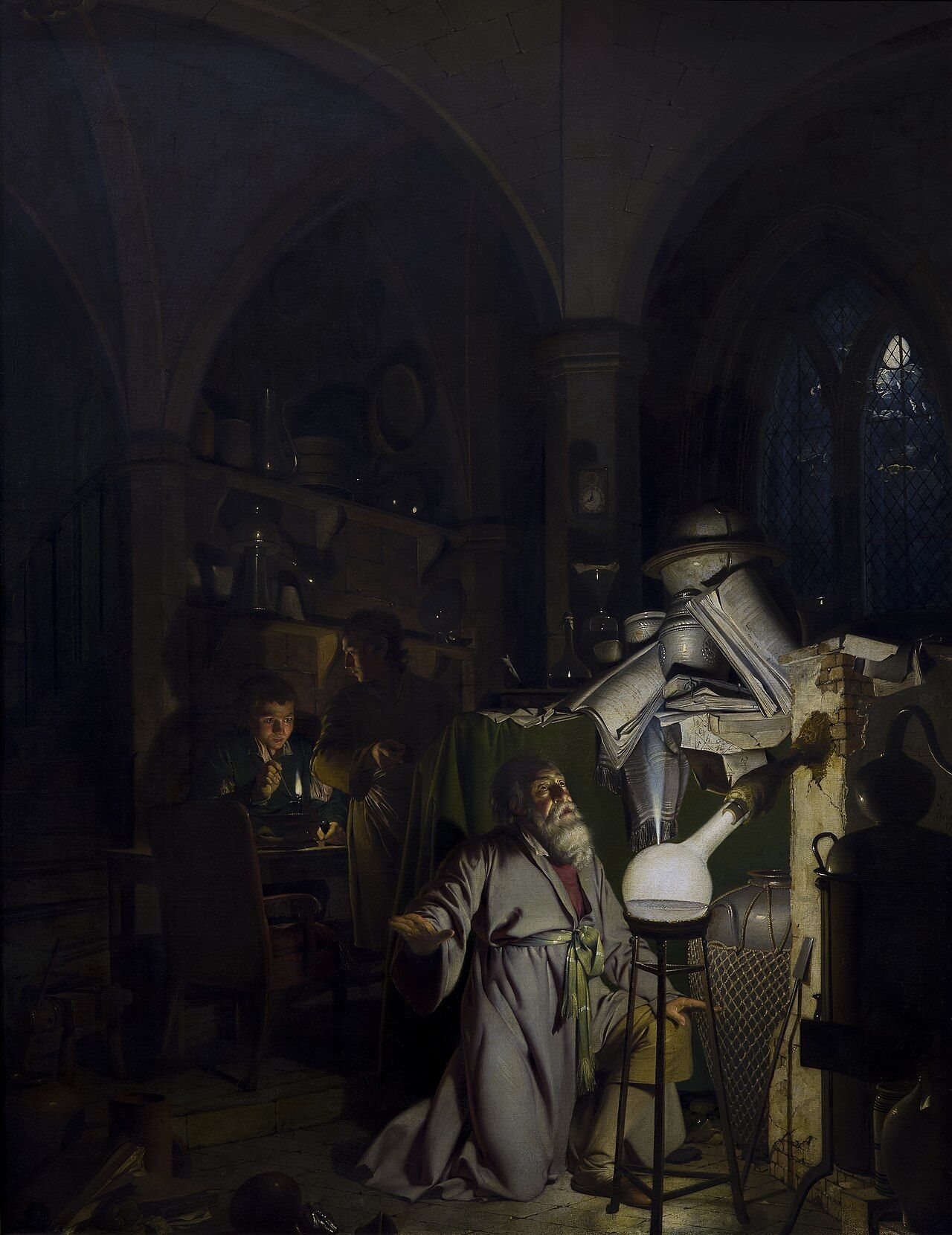
| wright-alchemist.jpg | Joseph Wright of Derby, The Alchymist, in Search of the Philosopher's Stone, Discovers Phosphorus, 1771, Derby Museum and Art Gallery | Public domain | Marletto |
A plain-text list with links to each source file is at /art/CREDITS.md.
How it is built
Plain HTML, CSS and JavaScript, with no trackers, no cookies and no web fonts. The figures are drawn in SVG by short scripts and respect the reduced-motion setting. The site follows your device's light or dark mode.